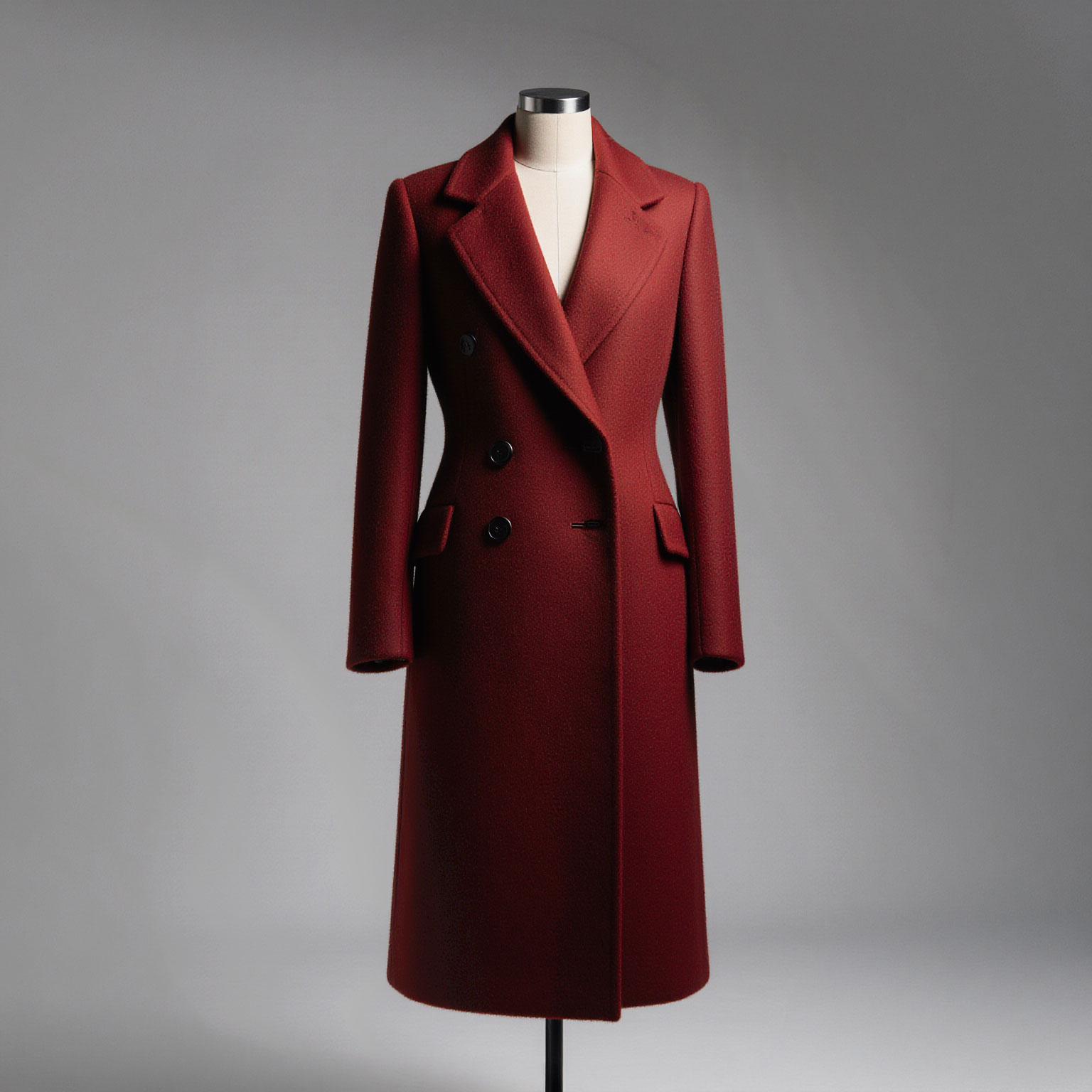


Why Hand-Finished Garments Require a Different Kind of Cleaning
Not all luxury garments are built the same way. Some are produced with precision machinery and standardized construction. Others are shaped by hand, adjusted by eye, and finished with techniques that vary from piece to piece. These garments often look effortless when worn, but the work behind them is anything but uniform.
At Sudsies, recognizing the difference between industrial construction and human craftsmanship is a critical part of garment care. Hand-finished pieces require a different pace, a different mindset, and a different level of attention from the very first inspection.
When Craftsmanship Leaves a Signature
Hand-finished garments often reveal themselves in subtle ways. Irregular seams, hand-stitched hems, uneven stitch spacing, and custom alterations are common. These details are not flaws. They are evidence of human involvement, design intent, and individuality.
Unlike factory-produced garments, these pieces rarely follow predictable patterns. Two garments from the same designer may behave differently because they were finished by different hands or altered for different bodies. That variability matters during cleaning.
Automated systems are designed for consistency. Hand-finished garments are not.
Why Standard Processes Can Fall Short
Automated cleaning and finishing processes rely on assumptions. They assume uniform seams, standardized hems, and predictable fabric behavior. Hand-finished garments challenge those assumptions.
A hand-sewn hem may react differently to moisture. A couture seam allowance may be wider or narrower than expected. Decorative stitching may be more sensitive to heat or pressure. Pressing a garment without recognizing these details can distort shape, flatten texture, or compromise construction.
This is why Sudsies treats these garments as individual projects rather than routine items.
Training Teams to Slow Down and Look Closer
During training, Sudsies team members spend time learning how to identify signs of hand craftsmanship. This includes studying construction methods, fabric behavior, and finishing techniques that indicate a garment should never be rushed.
New team members are taught to pause when a garment shows signs of human work. That pause leads to questions. How was this hem finished? Where does the structure come from? Which areas carry the most risk? What is the safest way to preserve the garment’s original intention?
A Different Pace, by Design
Caring for hand-finished garments often means choosing time over speed. It may involve additional inspections, gentler handling, staged treatments, or customized finishing decisions. These steps are built into Sudsies’ approach because craftsmanship cannot be preserved through shortcuts.
This slower pace is not inefficiency. It is precision.
The goal is not to impose a process on the garment, but to respond to what the garment already is.
Couture Care Is About Recognition
Luxury garment care goes beyond fabric type or brand label. It includes recognizing when a piece carries the marks of human craftsmanship and responding accordingly. That recognition is what protects shape, integrity, and longevity.
At Sudsies, hand-finished garments are not treated as exceptions. They are treated as exactly what they are: carefully made pieces that deserve careful care.
That understanding is what allows Sudsies to support wardrobes built on craftsmanship, individuality, and detail, one garment at a time.