

Is Your Wedding Dress at Risk of Yellowing? Signs and Prevention Tips
Once your WEDDING DRESS has been packed away in a closet or storage box, there’s no telling what kind of slow, silent changes might be happening to it. From the outside, everything might seem fine. But underneath the layers of tulle and satin, your dress could be quietly yellowing without you even knowing it. And if you’re like most brides, that thought alone is enough to make you anxious.
Discoloration doesn’t always show up right away, and this is something most owners don’t discover until the dress comes out for an anniversary photo. It can creep in over time, caused by invisible residue, improper storage, or even the natural aging of delicate fabrics.
By the time you notice it, the damage may already be locked in. That’s why it’s so important to know the early signs of yellowing and what you can do now to prevent it from getting worse. Read on as we detail all these signs!
01 | The White Fabric Looks Slightly Cream or Ivory
If your wedding dress was once crisp, bright white and now looks a little off (maybe more cream or ivory), that’s one of the first and most common signs of yellowing. This doesn’t happen overnight. Instead, the color shifts gradually due to oxidation, light exposure, and improper storage. Even if your dress has been in a garment bag, it may still react to the air and materials around it. Don’t assume the change is part of the natural tone of the fabric. It’s a clear indicator something is affecting its integrity.
How to Prevent Color Shifts in Wedding Dress Fabric
To preserve the pure white of your dress, you’ll want to follow a few key storage and care guidelines that target the main causes of color change:
- Store it in a dark, climate-controlled space. Avoid storing your dress in a sunlit room or in a place with fluctuating temperatures. Attics and basements are not ideal.
- Use acid-free materials. Only wrap your dress in unbuffered, acid-free tissue paper and store it in a museum-grade preservation box.
- Keep it away from plastic bags. Plastic traps moisture and emits gases that can discolor fabric over time, even when used in a garment bag.
- Clean the dress promptly after the wedding. Have it professionally cleaned within a few weeks of the wedding to remove invisible stains that could trigger fabric oxidation later.
By addressing environmental exposure and using the right preservation tools, you’ll slow down oxidation and maintain that original bridal white.
02 | There’s Discoloration Around Seams or Edges
Yellowing often starts at the seams, neckline, armpits, and hemline. These high-contact areas absorb sweat, oils, and body lotions, even if the stains aren’t visible right after the wedding. Over time, those substances interact with the fibers, forming yellow or brownish rings. Seams also trap dirt more easily, especially along the train or skirt that touches the floor. You might even spot darkened stitching, a telltale sign the dress wasn’t thoroughly cleaned.
Ways to Prevent Discoloration Around High-Contact Areas
To stop discoloration before it sets in, give extra attention to any part of the dress that touches your skin or the floor:
- Ask your cleaner about targeted pretreatment. A professional wedding dress cleaner should pretreat areas prone to sweat and body oil before starting the full cleaning process.
- Avoid perfume, lotions, or deodorants that contain aluminum. These products leave behind residues that worsen yellowing.
- Consider adding underarm pads for the ceremony. Disposable dress shields can protect the lining and seams from sweat during your big day.
- Inspect the dress immediately post-wedding. Don’t delay checking for discoloration, especially in areas such as the neckline or hem. If you notice changes, get it cleaned right away.
03 | The Lace or Tulle Looks Dingy or Dull
Lace, tulle, and other delicate overlays tend to age faster than denser fabrics. If these materials start looking dusty or yellowish, it’s often because they’ve absorbed environmental moisture or weren’t cleaned after the wedding. Since these fabrics are so light and sheer, even the smallest color change becomes obvious. It’s especially common around lace sleeves, veils, or trains. A dull appearance doesn’t mean the dress is dirty; it means the fabric is quietly breaking down.
How to Protect Lace and Tulle from Yellowing
These fragile materials require specific care techniques, especially when it comes to handling and storage:
- Choose a cleaner who hand-washes lace and netting. Machine-based methods can fray or weaken delicate overlays, leaving them exposed to faster yellowing.
- Stuff lace areas with acid-free tissue. This keeps the shape intact and allows air to circulate, reducing trapped moisture.
- Avoid storing near wood or colored tissue paper. Chemicals from these materials can seep into the lace, causing tinting.
- Use cotton gloves when handling the dress. Natural oils from your skin can transfer and create spots that oxidize over time.
- Lace and tulle are beautiful but sensitive. Treat them gently, and they’ll stay pristine for years.
04 | You Notice Faint Yellow Patches in Folded Areas
Yellowing in the folds of a dress is a red flag that improper storage is compromising the fabric. When a dress is stored folded without protective tissue, creases form, and those pressure points become vulnerable to damage. These spots restrict airflow and trap any remaining residue. Over time, the trapped air and fabric tension accelerate discoloration, especially in satin, silk, or organza. Many brides first notice these patches when they unfold the dress after months or years.
Proper Folding Techniques to Avoid Yellow Patches
The way you fold your dresses can make all the difference in how well it resists yellowing:
- Use unbuffered, acid-free tissue between every fold. This cushions the fabric and prevents sharp creases from forming.
- Refold your dress every 2–3 years. Changing the fold lines regularly distributes pressure evenly and helps prevent permanent discoloration in one spot.
- Place the preservation box horizontally. Avoid upright storage, which shifts weight and deepens folds over time.
- Avoid stacking anything on top of the preservation box. Pressure from above can compress the fabric inside, causing deeper creases that yellow faster.
Simple adjustments to how the dress is stored can significantly reduce the risk of fold-line staining and deterioration.
05 | There’s a Musty or Old Smell in the Fabric
A musty smell is one of the clearest signs your wedding dress has been exposed to moisture. This often happens when the dress is stored in humid or non-ventilated areas, such as a basement, attic, or unsealed closet. That damp scent means mold or mildew could be beginning to form, even if you can’t see it yet. Unfortunately, moisture also speeds up the yellowing process by feeding bacteria and weakening fabric fibers.
How to Prevent Musty Odors and Moisture Damage
If you want your dress to smell fresh and stay clean long term, you need to take these preventive measures:
- Choose a dry, cool, and dark place for storage. Avoid rooms near bathrooms, kitchens, or any spot with inconsistent humidity.
- Invest in a preservation box with a moisture barrier. Many professional services offer boxes with sealed edges and interior humidity control.
- Place silica packets or moisture absorbers nearby. These help maintain a low-humidity environment inside your preservation container.
- Never store your dress in plastic. It may seem protective, but plastic traps condensation that leads to odor and yellowing.
Make Sure Your Wedding Dress Looks Just as Beautiful in 30 Years or More – Preserve It with Sudsies!
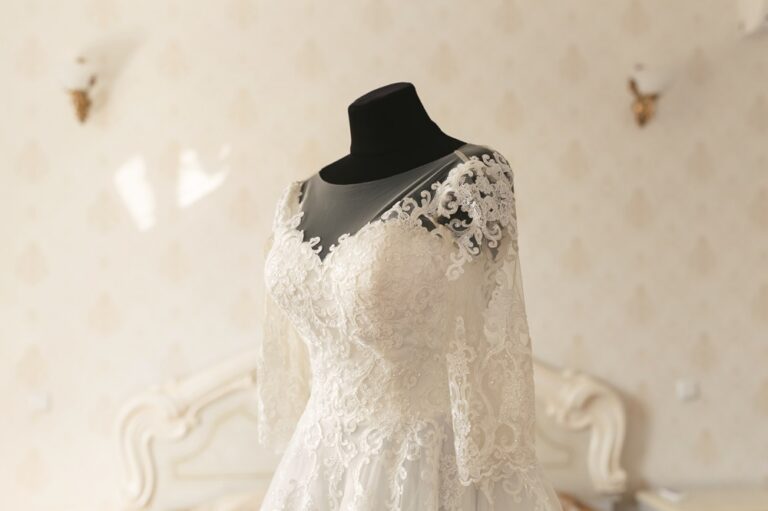
Your wedding dress is a beautiful reminder of the day you looked radiant and full of joy. Proper care is essential if you want to preserve its sentimental value, protect delicate fabrics, and keep it timeless for future generations.
At Sudsies, we specialize in museum-level Wedding Dress Cleaning and Preservation Service designed to honor every stitch, layer, and embellishment. Our expert team provides couture-level care, hand-cleaning your dress from bodice to hemline with precision, respect, and environmentally responsible techniques. Every preservation is performed using archival-quality materials to safeguard your dress for decades to come.
Contact us today to schedule and enjoy complimentary Pickup and Delivery Service anywhere in our service areas – your Sudsies Valet will meet you right at your home, condo, or preferred pickup point.