

Protect Your Clothes: Never Wash These Items Together
Laundry doesn’t usually feel high stakes. It’s routine, automatic, something you’ve done hundreds of times. But small habits such as combining different fabric types to save time can slowly wear down your wardrobe.
When rough textures mix with smoother fabrics, friction increases. When lint-producing items share space with fine knits, fibers cling where they shouldn’t. And over time, that repeated stress affects both appearance and durability.
As such, making a few strategic separations in your loads can extend the life of your most-worn items. Let’s walk through which laundry loads to avoid mixing together.
Towels and Delicate Fabrics
Towels feel harmless enough, but inside a washing machine, they act like sandpaper. They’re thick, heavy, and built to scrub and absorb, which is exactly why they don’t play well with lighter, delicate fabrics. Mixing these two in one load creates more stress than most people realize.
Friction Damage
When towels tumble against silk, lace, rayon, or lightweight synthetics, they create constant friction on the surface. That rubbing weakens fibers and roughs up smooth finishes.
What this looks like in real life:
- Fuzzy texture on once-smooth fabric
- Thinning areas around seams
- Lace or mesh losing its structure
- Blouses that suddenly look “tired”
Delicates need space and a gentle environment. Towels create the opposite.
Lint Transfer
Towels release quite a bit of lint, particularly in the first few washes. All that shedding ends up on your delicates. You open the dryer, and your black shirt looks like it’s been through a lint storm. Even worse, lint can settle deep into woven fibers, dulling the finish permanently.
Weight Imbalance in the Drum
Towels absorb large amounts of water, becoming significantly heavier mid-cycle. When paired with lighter fabrics, they create an uneven load.
That imbalance causes:
- Excess stretching
- Aggressive spinning
- Stress on delicate stitching
The load gets done, but not without wear on your delicate items.
Heavy Denim and Lightweight Shirts
Heavy jeans and soft shirts don’t belong in the same cycle. When they tumble together, the structure mismatch causes damage. Jeans are dense, rigid, and often trimmed with thick seams and metal hardware. Lightweight cotton or performance shirts simply can’t withstand that kind of agitation.
Abrasion
Denim seams act like rough edges inside the drum. As everything tumbles, those seams scrape across softer fabrics.
Common results:
- Pilling on T-shirts
- Roughened fabric surface
- Faded areas where fabric rubs repeatedly
At first, everything looks fine, and then the wear starts to show.
Distortion of Lighter Fabric
Wet denim becomes heavy and stiff. During spin cycles, it can pull lighter garments into awkward shapes.
You might notice:
- Stretched collars
- Twisted side seams
- Shirts that no longer hang straight
The damage happens fast, but the effects can be permanent.
Uneven Washing
Heavy denim absorbs more water and detergent. Lighter shirts float around it.
That means:
- Some items rinse thoroughly
- Others trap soap residue
- Certain spots don’t get fully cleaned
You end up with clothes that don’t feel quite right, even though they look clean.
New, Dark Garments and Light-Colored Clothes
New dark clothing looks sharp and rich straight off the rack. But those deep dyes are often unstable during the first few washes. If you mix brand new navy, black, or red garments with lighter pieces, you take a gamble. And in a busy household, it’s easy to forget which items are “first wash” risks.
Dye Bleeding Risk
Fresh dye releases excess pigment when exposed to water and agitation. Warm water makes it worse.
When mixed with lighter fabrics, that loose dye:
- Tints whites gray
- Turns beige pink
- Leaves subtle shadows on pastel colors
A single wash is sometimes enough for color bleeding to affect other pieces.
First-Wash Instability
Early washes cause the most changes. Later on, the color usually holds steady. Separating new dark clothes may seem cautious, but it’s actually a simple way to prevent problems.
Transfer Stains
Dye doesn’t just float in water. It can settle directly onto nearby fabric during spin cycles.
These transfer stains:
- Often appear blotchy
- Don’t always respond to stain removers
- May require professional correction
Sorting new dark garments separately protects everything else in the load.
Scarves, Gloves, and Winter AccessoriesaAthleticwear and Cotton Basics
On the surface, activewear and cotton seem like they should wash just fine together. But performance fabrics behave very differently from natural fibers. If your workout gear still smells faintly “off” after washing, this pairing may be the reason.
Odor-Trapping Fabrics
Workout clothes are usually made from synthetic materials such as polyester. And they trap sweat and bacteria in a way that’s very different from cotton.
When mixed with cotton basics:
- Odors can transfer
- Cotton absorbs lingering smells
- Activewear doesn’t rinse as thoroughly
They come out looking spotless, but they don’t smell as fresh as they should.
Synthetic Fiber Detergent Needs
Performance fabrics respond better to detergents formulated to break down body oils. Standard detergents designed for cotton sometimes fall short.
If washed together:
- Cotton gets fully cleaned
- Athleticwear keeps buildup
- Fabric performance declines over time
Fabric Softener Impact
Fabric softener coats fibers. That’s fine for cotton towels and T-shirts, but it’s terrible for activewear.
Softener can:
- Block moisture-wicking properties
- Trap odor
- Leave residue on synthetic fibers
Keeping these categories apart helps you wash them the way they’re meant to be washed.
Bedding and Everyday Clothing
Washing sheets and pillowcases together makes sense. Mixing them with your daily wardrobe does not. Bedding moves differently in the drum. It spreads out, wraps, and shifts in large sheets of fabric. That movement can interfere with how smaller garments wash and rinse.
Load Imbalance
Large sheets can bunch up on one side of the washer. When combined with smaller items of clothing, the drum spins unevenly.
That imbalance leads to:
- Aggressive spin cycles
- Stress on seams
- Excess wrinkling
Your washer may even sound louder than usual.
Incomplete Rinsing
When bedding wraps around smaller garments, it creates pockets.
Clothing trapped inside may:
- Retain detergent
- Stay partially damp
- Develop stiffness after drying
Residue buildup reduces fabric lifespan.
Twisting and Strain
Long sheets twist easily. When they entangle shirts or pants, they pull at sleeves, waistbands, and drawstrings.
Over time, this causes:
- Misshapen garments
- Stretched elastic
- Loose stitching
Keeping bedding in its own load prevents that strain.
Zippered or Embellished Items with Knits
Knits are flexible and comfortable, but they’re vulnerable. When mixed with garments that have zippers, hooks, sequins, or decorative hardware, damage becomes almost inevitable. Even if everything looks fine after one wash, repeated cycles add up.
Snagging
Zippers and metal accents catch on knit loops.
That snag might start small, but it can:
- Create visible pulls
- Distort the weave
- Cause unraveling
Thread Pulls
Once a thread catches, it rarely returns to its original position.
Pulled threads leave:
- Horizontal lines
- Uneven texture
- Weak points in the fabric
Fabric Tears
When fabric keeps catching, it starts to break down. What begins as a tiny pull can become a rip. Knit sweaters, lightweight cardigans, and soft lounge pieces deserve a gentler environment, ideally washed with similar fabrics only.
When Professional Laundry Is the Safer Option
Sometimes the safest choice isn’t adjusting your sorting, it’s stepping back altogether. Large bedding loads, delicate blends, high-end activewear, or heavily dyed garments often benefit from professional wash and fold care.
Commercial machines handle load balancing better, and trained attendants automatically sort by fabric type. If you’re short on time or unsure how to protect specific pieces, a professional Wash and Fold Laundry Service can prevent costly wardrobe and home textile care mistakes before they happen.
Stop Laundry Damage Before It Starts with Sudsies
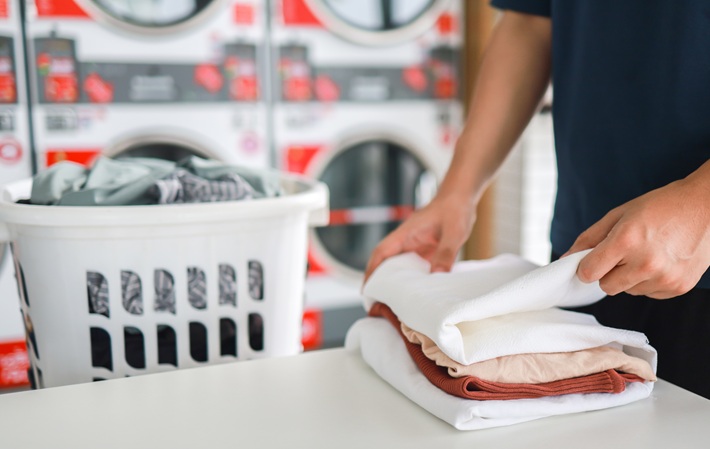
Our Subscription Wash and Fold Laundry Service gives you consistent results, controlled fabric sorting, eco-conscious processing, and one less recurring chore to manage in your busy South Florida routine.
Spots fill quickly on popular pickup days, so now is the time to enroll and replace laundry stress with a predictable, high-quality system that simply works.
If you’d like to learn more about our Wash and Fold Laundry Service, contact us using the information below.
Phone: 1-888-898-SUDS (7837)
Local/International: 1-786-822-5651
DM: @sudsiesdrycleaners
Email: info@sudsies.com